
Rodent Damage Costs: Repair Bills vs. Prevention in Ventura
The Hidden Costs of Rodent Infestations
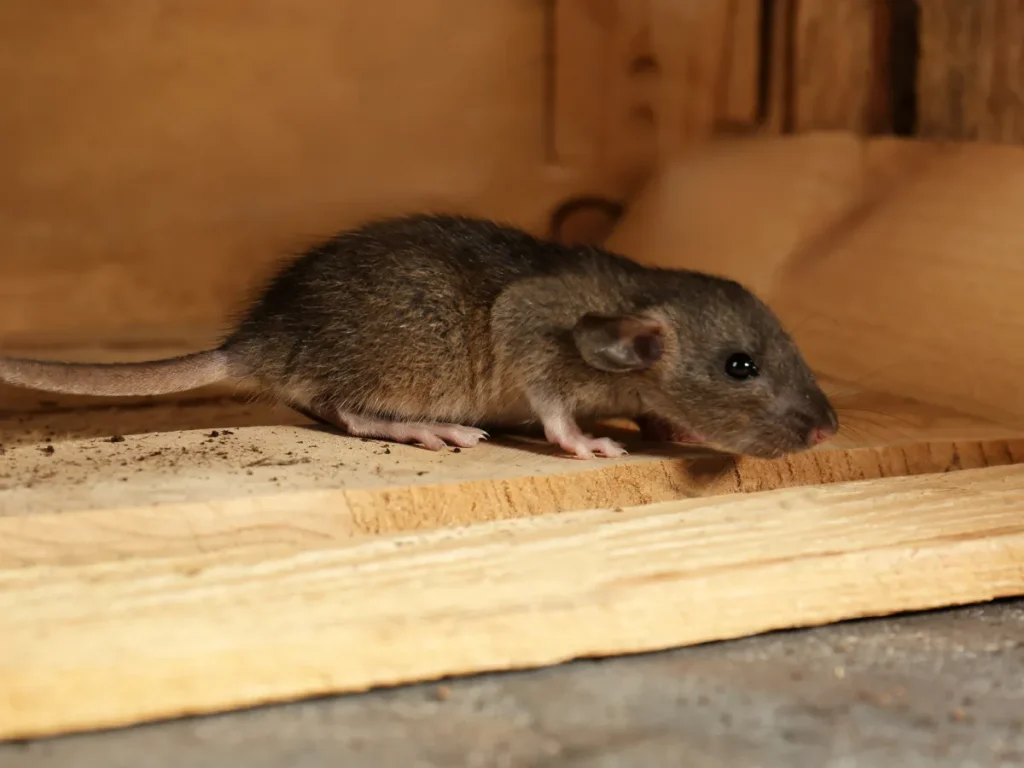
When property owners discover rodent activity, the immediate instinct is often to set a few traps and hope the problem resolves itself. This approach rarely works, and the delay carries a financial penalty that grows with each passing week. Rodents do not simply nest and remain still. They gnaw constantly to keep their teeth from overgrowing, chew through building materials to create pathways, and contaminate spaces with urine and droppings that carry pathogens.
Structural damage begins quietly. Rats and mice tunnel through insulation, reducing its thermal efficiency and driving up heating and cooling costs. In Ventura County, where coastal humidity can already stress building materials, moisture-damaged insulation becomes a breeding ground for mold. The rodents then move into wall voids, where they chew through electrical wiring. This is not a minor inconvenience. Exposed wiring is a leading cause of residential fires, and insurance claims related to rodent-caused electrical damage regularly exceed ten thousand dollars.
Contamination costs add another layer. Rodent urine soaks into drywall, subfloors, and ductwork. The odor is persistent and health risks are real, particularly for households with children or individuals with respiratory conditions. In older properties throughout Oxnard and Ventura, we routinely find rodent waste in HVAC systems, which then circulates airborne contaminants throughout the home every time the system runs. Cleanup and duct replacement can run several thousand dollars, not including the cost of addressing the underlying infestation.
The wait-and-see strategy is expensive because rodent populations grow exponentially. A single pair of mice can produce dozens of offspring in a matter of months. By the time most property owners recognize the severity of the problem, the damage has already compounded. Early intervention through professional rodent control prevents this cascade and protects both the property and the occupants. Delaying action turns a manageable issue into a crisis that demands costly remediation.
Repair Expenses After a Severe Rodent Problem
The financial impact of rodent damage becomes tangible when property owners receive repair estimates. In California, where labor and material costs run higher than the national average, a severe rodent infestation can require repairs ranging from five thousand to well over twenty thousand dollars, depending on the extent of the damage and the size of the property.
Insulation replacement is often the largest line item. Attics and crawl spaces that have been heavily contaminated with rodent waste require complete removal and replacement. In a typical single-family home in Ventura or Simi Valley, removing soiled insulation and installing new material runs between three thousand and seven thousand dollars. If the rodents have damaged vapor barriers or compromised structural supports in the crawl space, costs climb further. Many homeowners are surprised to learn that crawl space exclusion work, including sealing entry points and installing protective barriers, can add another two to four thousand dollars to the total.
Electrical repairs present another significant expense. Rodents chew through wiring in walls, attics, and even within appliances. Electricians charge by the hour, and tracing damaged circuits through wall cavities is labor-intensive. A moderate electrical repair project can easily cost fifteen hundred to three thousand dollars. In cases where rodents have accessed the main electrical panel or service lines, costs can exceed five thousand dollars. These are not optional repairs. Building codes and insurance policies require that damaged wiring be brought up to current standards.
HVAC system damage adds further costs. Rodents nest in ductwork, chew through flexible ducts, and leave waste that contaminates air circulation. Duct cleaning alone runs eight hundred to fifteen hundred dollars. If ducts require replacement, costs jump to three thousand or more. Drywall and framing repairs, particularly in homes where rodents have created multiple entry points, can add another two to five thousand dollars depending on the scope of the work.
These figures reflect real-world scenarios across Ventura County. The cumulative cost of repairing severe rodent damage frequently exceeds fifteen thousand dollars. For commercial properties, where square footage and complexity are greater, expenses can easily double. Property owners who address infestations early through pest control services avoid these extreme repair bills entirely.
Why Professional Rodent Control is an Investment, Not an Expense
Comparing the cost of professional rodent control to the cost of repairs reveals a clear financial advantage. A typical professional rodent control program in Ventura County, including inspection, trapping, exclusion, and follow-up monitoring, ranges from eight hundred to two thousand dollars for a residential property. This is a fraction of the cost of remediating severe damage, and it delivers a permanent solution rather than a temporary fix.
The value lies in prevention. Professional pest control services identify and seal entry points that property owners routinely overlook. Rodents can squeeze through openings as small as a quarter inch. Foundation cracks, gaps around utility lines, deteriorated weather stripping, and roof vents are all common access routes. A thorough exclusion process addresses these vulnerabilities and stops future infestations before they begin. This proactive approach eliminates the cycle of recurring damage and repeated DIY attempts that drain both time and money.
Early intervention also prevents the exponential growth of rodent populations. A professional technician can assess activity levels, determine the species involved, and implement targeted control measures that eliminate the problem in weeks rather than months. In Ventura’s coastal neighborhoods, where Norway rats are prevalent due to proximity to water sources and landscaping, seasonal population surges can overwhelm a property in a matter of weeks. Waiting until the problem is visible means waiting until the damage is already underway.
The cost-benefit analysis becomes even more favorable when factoring in health risks and liability. Rodent-borne diseases, including hantavirus and leptospirosis, pose real threats to occupants. For commercial property owners, a rodent problem can trigger health code violations, business interruptions, and reputational damage. The cost of a professional commercial pest control program is negligible compared to the financial and legal consequences of an uncontrolled infestation.
Professional rodent control is not a recurring expense if the job is done correctly. A well-executed exclusion and monitoring program provides long-term protection. Property owners who invest in professional services early avoid the catastrophic repair costs that follow neglect, and they gain the certainty that the problem has been resolved at the source.
Local Rodent Pressure in Ventura County
Ventura County presents specific environmental conditions that elevate rodent pressure throughout the year. The coastal climate, with mild winters and consistent moisture from marine air, supports rodent populations that do not experience the seasonal die-offs common in harsher climates. Roof rats thrive in the mature landscaping found throughout Ventura, Oxnard, and Ojai, using tree canopies and ivy-covered fences as highways to access structures. Norway rats favor the riparian corridors and storm drains that run through developed areas, emerging at night to forage in residential and commercial properties.
Seasonal patterns intensify rodent activity in predictable ways. Fall and early winter bring increased activity as rodents seek shelter from coastal storms and cooling temperatures. Properties near the Ventura River, agricultural zones in Oxnard, and hillside homes in Ojai see pronounced upticks in rodent sightings during these months. Spring also triggers population surges, as breeding accelerates and young rodents disperse to establish new territories. Properties that remain unprotected during these peak periods often sustain the most severe damage.
Certain property types face higher risk. Older homes with original foundations, crawl spaces, and wood siding provide multiple access points and nesting opportunities. Commercial properties with loading docks, outdoor storage, and food service areas attract rodents year-round. In Santa Barbara and the agricultural outskirts of Bakersfield, properties adjacent to open land or orchards experience constant pressure from field rodents moving into structures as food sources shift with the seasons.
The region’s building stock also plays a role. Many properties in Ventura County were constructed before modern exclusion standards became common practice. Gaps in stucco, unscreened vents, and deteriorated foundation seals are widespread. These vulnerabilities turn routine rodent pressure into active infestations. Property owners who understand the local risk profile recognize that rodent control is not a one-time task but an ongoing aspect of property maintenance. Working with professionals who know the region’s rodent behavior, seasonal patterns, and construction vulnerabilities ensures that control measures are effective and durable. Dead animal removal and cleanup services become necessary when infestations go unaddressed, adding further costs and health concerns that proactive control would have prevented.
Taking Action: When to Call a Professional and What to Expect
Ventura County presents specific environmental conditions that elevate rodent pressure throughout the year. The coastal climate, with mild winters and consistent moisture from marine air, supports rodent populations that do not experience the seasonal die-off common in colder regions. Properties near agricultural areas in Oxnard and the foothills surrounding Ojai face particularly intense activity during harvest season, when field rodents seek shelter as crops are cleared.
The region’s mix of older residential construction and newer development creates varied entry points. Homes built before modern building codes often lack proper foundation screening, and the crawl spaces common in coastal construction provide ideal nesting environments. Commercial properties in downtown Ventura and industrial zones near the harbor contend with Norway rats attracted to food service operations and shipping activity. The consistent temperature range means rodent breeding continues year-round rather than pausing during winter months.
Seasonal patterns do emerge despite the mild climate. September through November brings the highest call volume for rodent control services as temperatures begin to drop and rodents seek indoor shelter ahead of the rainy season. Properties with mature landscaping, particularly those with dense ground cover or fruit trees, experience increased activity during these months. The December through February rain period drives additional indoor migration, and properties that have deferred maintenance on roof lines or attic vents discover active infestations during the first significant storms.
Understanding these local patterns helps property owners recognize that rodent problems in this region are persistent rather than occasional. A single incident rarely represents an isolated event. The biology and behavior of local rodent populations, combined with the physical characteristics of Ventura County buildings, create conditions where professional intervention becomes necessary rather than optional. Waiting for rodents to leave on their own ignores the reality that local conditions favor continuous occupation.
Error: Contact form not found.